
Residential complexes are among the most popular options for buying property in Turkey. But what exactly is a site in Turkish real estate? What facilities can you expect, how does buying an apartment in one work, and what should you check to avoid costly mistakes? In this guide, iHomes explains everything you need to know.
What Is a Site in Turkey?
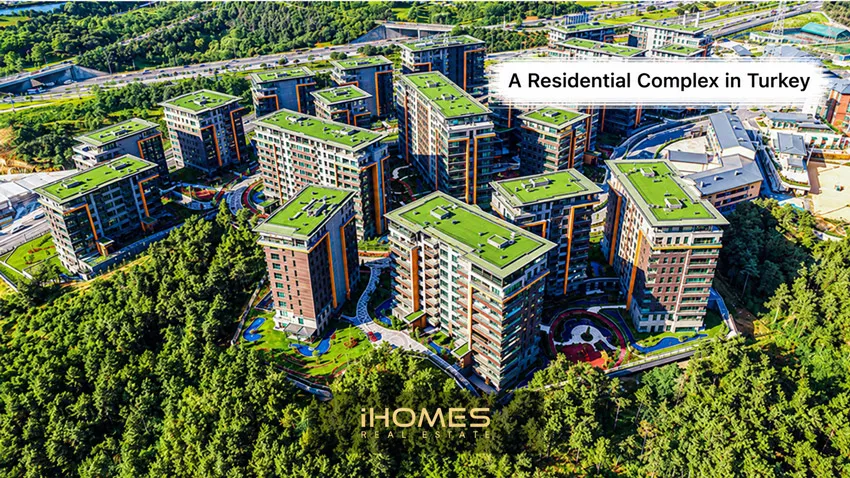
In Turkey, the term site refers to a residential complex, often a gated community made up of several apartment blocks or towers. These developments generally have their own management, shared facilities, and community rules. Some are large, self-contained neighborhoods with security, shops, landscaped gardens, and recreational areas. Others are much smaller, consisting of just three buildings within the same grounds.
What Does the Turkish Word “Site” Mean?
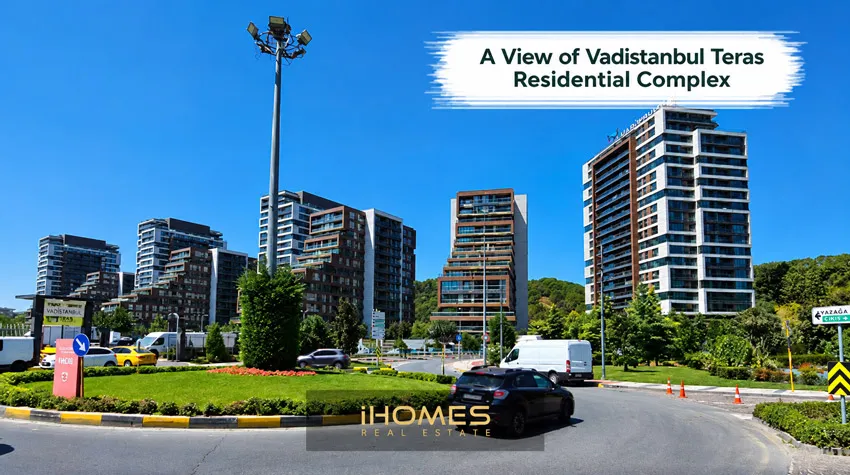
Turkish borrowed numerous words from French, particularly during the late Ottoman period. These include words related to transport and everyday life, as well as site, which comes from the French word cité. In a housing context, cité can refer to a planned residential development or group of homes. In Turkish, the word is written site and is commonly used for a managed residential complex.
Features of Residential Complexes in Turkey
Residential complexes in Turkey can offer a range of services and facilities that make everyday life more convenient. Here’s what you can typically expect.
Security in Residential Complexes
Security is a major selling point of many gated residential developments.
- 24-hour security: Many complexes have guarded entrances where security staff monitor visitors and vehicle access.
- Access cards: Residents may use electronic entry cards or vehicle tags to open gates automatically and restrict unauthorized access.
- CCTV cameras: Shared outdoor areas, parking facilities, and building lobbies are often monitored by security cameras, which may help investigate incidents.
Shared Amenities and Leisure Facilities
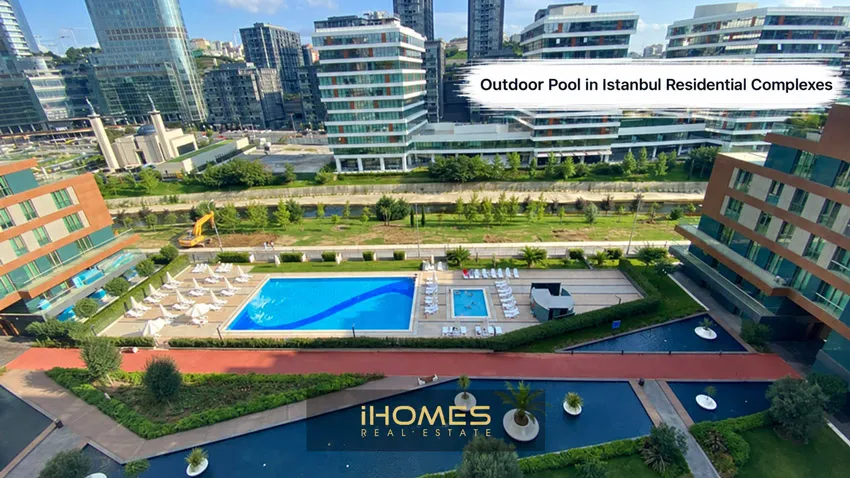
Shared amenities are one of the biggest attractions of living in a residential complex. Depending on the size and standard of the development, facilities may include:
Swimming pools: Some complexes have outdoor pools for summer and heated indoor pools for year-round use.
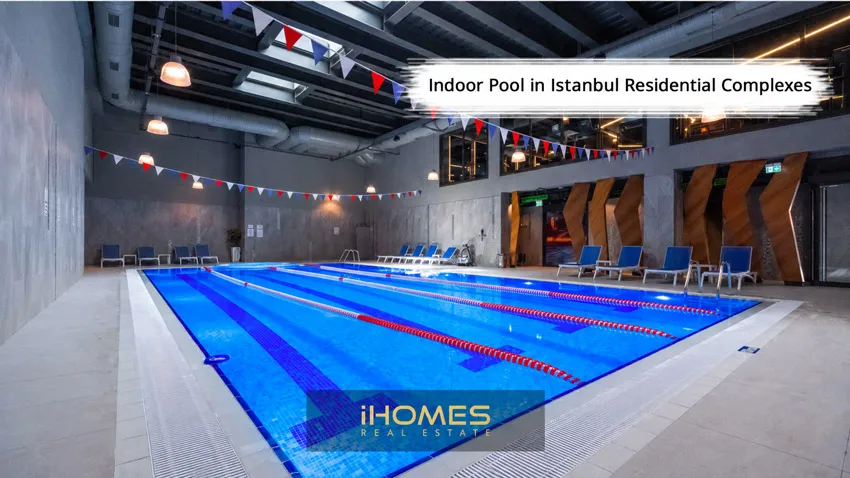
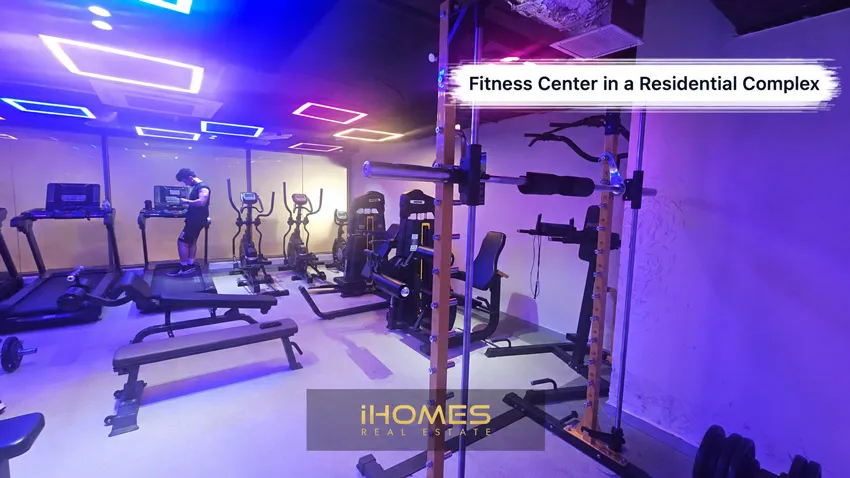
Fitness center: An on-site gym with equipment such as treadmills and weights can make working out more convenient and reduce the need for an external gym membership.
Sauna and Turkish bath: Upscale developments may include a sauna, steam room, or traditional Turkish bath.
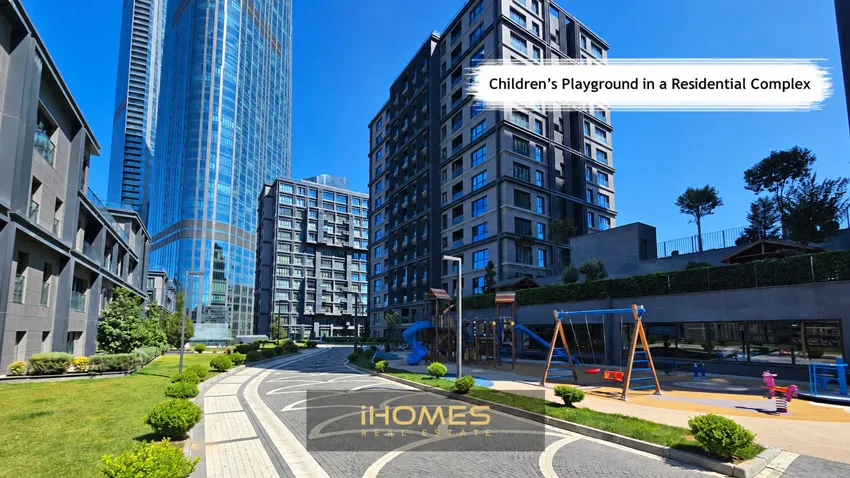
Children’s playground: Dedicated play areas often feature child-friendly equipment and soft flooring.
Sports courts: Many larger communities offer basketball courts, tennis courts, or artificial-turf football pitches.
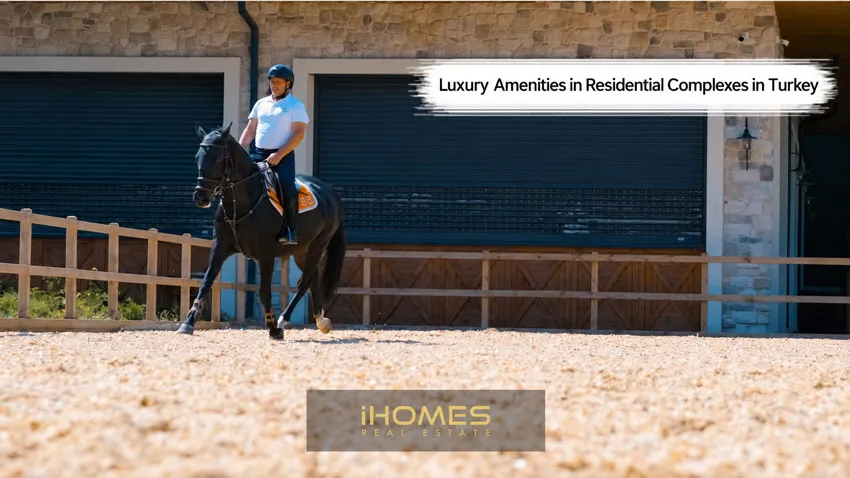
Luxury facilities: Premium residential complexes may offer additional leisure amenities and exclusive services.
On-Site Management
A residential complex typically has a management team responsible for maintaining its shared spaces and coordinating essential services. Depending on the development, these responsibilities may include:
- Cleaning: Keeping corridors, lobbies, and communal areas clean and presentable.
- Landscaping: Maintaining lawns, gardens, trees, and other green spaces.
- Waste collection: Organizing rubbish collection, sometimes directly from apartment doors at scheduled times.
- Maintenance: Arranging repairs to shared lighting, elevators, and other communal facilities.
Private Parking
Parking can be difficult to find in busy Turkish cities, so dedicated parking is a valuable advantage.
- Underground or covered parking: Many residential complexes provide designated parking spaces for residents, although availability and allocation vary.
- Visitor parking: Some developments also have separate spaces for guests.
Monthly Maintenance Fees (Aidat)
One important cost to understand before buying is the monthly maintenance fee, known in Turkish as aidat. Residents pay this fee to help cover the services and upkeep of communal facilities.
- Maintenance fees may cover security staff, cleaning, shared electricity, elevator maintenance, landscaping, and facilities such as swimming pools. As a general rule, complexes with more amenities tend to have higher monthly fees.
Water Storage and Backup Generators
Some well-equipped developments have central backup generators to supply essential systems during power outages, as well as water storage tanks to reduce disruption during interruptions to the municipal supply. Generator capacity and the systems it supports vary, so it’s worth confirming exactly what is covered before buying.
Central Heating Systems
Many residential complexes use central heating systems, sometimes combined with individual heat meters or controls for each apartment. This allows residents to adjust their indoor temperature while heating costs are calculated according to the system used by the building. Other developments have individual boilers, so it’s important to check the arrangement for the property you’re considering.
International Communities
Residents can include Turkish families, international buyers, students, professionals, and property investors, depending on the neighborhood. In cities such as Istanbul and Antalya, some residential complexes have particularly diverse, international communities.
Construction Quality and Modern Interiors
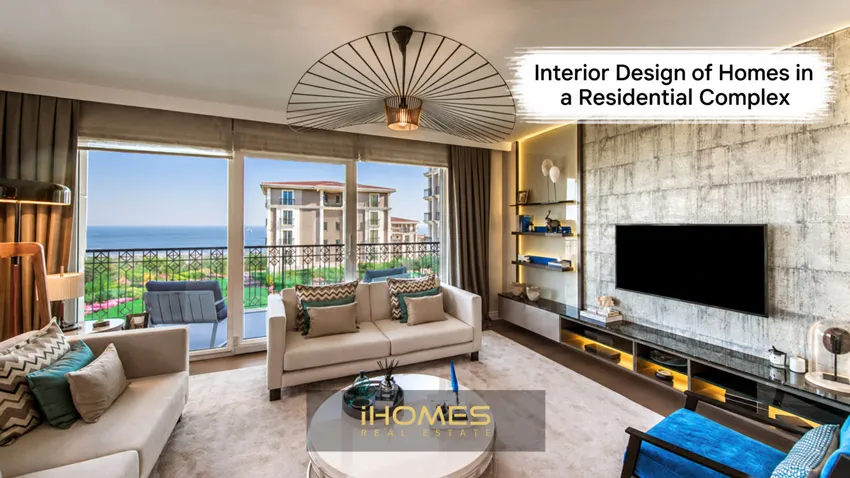
Many residential complexes are relatively recent developments, offering contemporary layouts, modern interiors, and updated building systems. Newer projects are generally designed to comply with the building regulations applicable at the time of construction, including seismic requirements. However, construction quality and earthquake safety should always be assessed on a property-by-property basis rather than assumed from the age or appearance of a building.
Investment Potential
Security, shared amenities, and professional management can make apartments in residential complexes attractive to tenants, including international renters. Well-located developments may also appeal to a wider range of buyers than older standalone apartment buildings. However, rental demand, resale prospects, and returns depend on location, purchase price, ongoing fees, and the condition of the property.
How to Buy an Apartment in a Residential Complex in Turkey
There are two common ways to buy an apartment in a Turkish residential complex: purchasing a resale property from an existing owner or buying directly from the developer. Established developers include Sinpaş and NEF. When buying from an existing owner, the process typically involves viewing the apartment, negotiating the price, checking the documentation, and completing the title deed transfer. When buying from a developer, you can explore available units, construction timelines, and, in some cases, installment payment plans. A local real estate consultant can help you compare these options and communicate with developers. If you’re buying a home with plans to live in Turkey, review the residence permit requirements before committing to the purchase. Property ownership and eligibility for a residence permit are separate matters, and buying an apartment does not automatically guarantee residency.
Important Checks Before Buying Property in a Residential Complex
■ Arrange an independent property assessment. A property valuation report, known in Turkey as an ekspertiz report, can help establish the property’s assessed value and key characteristics. Depending on the transaction, additional checks may be needed to verify the registered floor area, occupancy permit, and legal status. Confirm which reports are required for your particular purchase.
■ Check the maintenance fees and outstanding balances. Ask how much the monthly aidat is, which services it covers, and whether any outstanding fees or special assessments are associated with the apartment. Have a qualified professional check potential liabilities before completion.
■ Verify the title deed. Confirm that the property’s registered use matches your plans and check for mortgages, liens, restrictions, or other legal issues. This is especially important for overseas buyers unfamiliar with the Turkish property system.
■ Follow the official title transfer procedure. Ownership transfers are completed through the relevant Turkish land registry authorities (Tapu). A private sales agreement alone does not transfer legal ownership. Use traceable payment methods, obtain appropriate receipts, and confirm whether your transaction requires a Döviz Alım Belgesi, the foreign currency purchase certificate used in applicable property transactions involving foreign buyers.
■ Understand the difference between gross and net floor area. Apartment sizes are commonly advertised using two measurements:
- Brüt Metrekare (Gross Area): A broader measurement that may include walls, balconies, and, depending on how the figure is calculated, a share of communal areas.
- Net Metrekare (Net Area): The usable internal space of the apartment, calculated according to the applicable measurement definition.
Always ask for both the gross and net area. The usable living space can be significantly smaller than the figure highlighted in a property advertisement.
Residential Complex vs. Residence: What’s the Difference?
Another common term in Turkey’s property market is rezidans, often written as residence in English. Although the two types of development can overlap, they generally emphasize different lifestyles.
A residential complex (site) is typically designed around everyday family living, security, and community spaces. It may consist of several buildings surrounded by gardens, with parking, controlled access, and amenities such as a pool or playground. Residents pay maintenance fees for communal services, but the overall atmosphere is often more residential and family-oriented.
A residence (rezidans) is generally positioned as a more upscale, service-oriented development. It may be a modern high-rise with a hotel-style lobby, reception services, fitness facilities, housekeeping options, and sometimes on-site restaurants. Such properties may appeal to professionals, people seeking a serviced lifestyle, and certain investors. Monthly fees can be higher where additional services are provided. In simple terms, a residential complex often prioritizes a comfortable neighborhood atmosphere, while a residence may focus more on premium services and contemporary city living. The distinction is not absolute, so compare the actual facilities and fees of each project.
Who Should Consider Living in a Residential Complex?
Residential complexes can be an excellent choice for people who value security, privacy, and a quieter environment. Gated access, security personnel, and monitored shared spaces are particularly appealing to families with children. Many developments also have enclosed gardens and playgrounds where children can spend time close to home. They can also suit freelancers and remote workers. After spending several hours indoors, residents may be able to take a walk through landscaped grounds, use the swimming pool, or catch up with neighbors in communal spaces without leaving the complex. For people with busy schedules, having a gym, sauna, or pool a short walk from the apartment can make exercise and relaxation much easier.
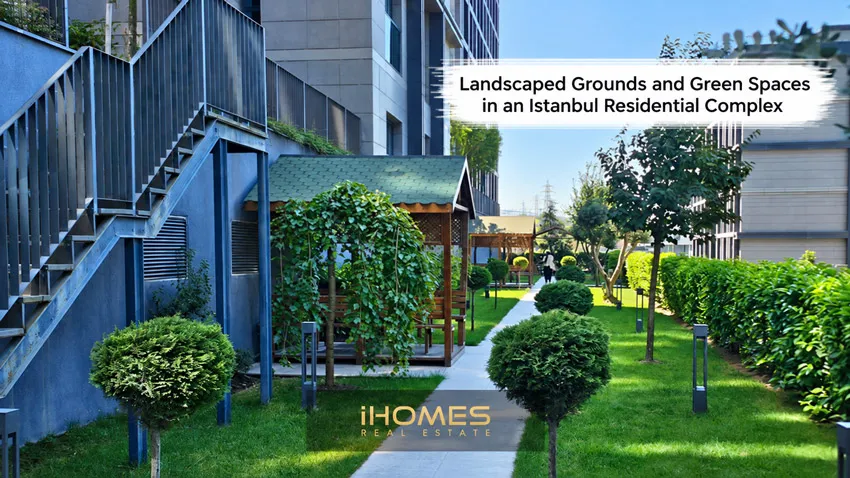
Depending on the facilities and fees, it may also reduce the need for separate club memberships and travel. Dedicated parking can be another major benefit, particularly in crowded urban neighborhoods. And for buyers who prefer a peaceful, well-maintained residential setting, a managed complex may offer a better fit than a standalone apartment building.
Overall, a residential complex can offer a comfortable balance of privacy, shared facilities, security, and modern everyday living without necessarily requiring a full luxury-residence budget.
Notable Residential Developments in Istanbul
iHomes works with property developers and offers guidance on a range of residential complexes and premium developments in Istanbul. Here are some projects worth exploring:
Yedi Mavi – A Luxury Waterfront Development on the Sea of Marmara
Vadistanbul Teras – Residential Living in Maslak, Sarıyer
Vadistanbul Park – A Residential Development in Sarıyer
Çamlıvadi – A Premium Residential Project in Kağıthane, Istanbul
Mercan Konakları – Luxury Residential Living in Istanbul
Avangart Istanbul – A Modern Residential Development
Avrupa Konutları Şişli – Premium Apartments in Şişli
Maslak Koru – Luxury Apartments in Istanbul
Whether you’re looking to buy, sell, or rent property in Istanbul, iHomes can help you explore suitable options and understand the process. Our team can also guide you through related matters, including residence permit procedures and other practical aspects of settling in Turkey.
WhatsApp and direct contact: +90 552 630 6000